56学者评【从国际秩序失控到丛林法则再现】第47篇
张勇进
英国布里斯托大学社会学、政治学与国际关系学院教授
对于关心当前支离破碎的世界秩序未来的人而言,2026 年达沃斯论坛传递出数条不容回避的明确信号。
第一,所谓基于规则的自由国际秩序,早已被其主要缔造者亲手撕裂,如今已然彻底消亡、不复存在。
第二,跨大西洋盟友之间,乃至更广意义上曾被视作整体的 “大西方” 阵营内部,尽管拥有共同价值观,分裂却远胜于团结,而这种分裂很大程度上是咎由自取。
第三,以美国为首、在地缘政治与地缘经济层面大体统一行动的西方,已不复存在。
第四,同理,若仍将世界简单划分为 “西方” 与 “非西方” 两大阵营,也愈发不合时宜。
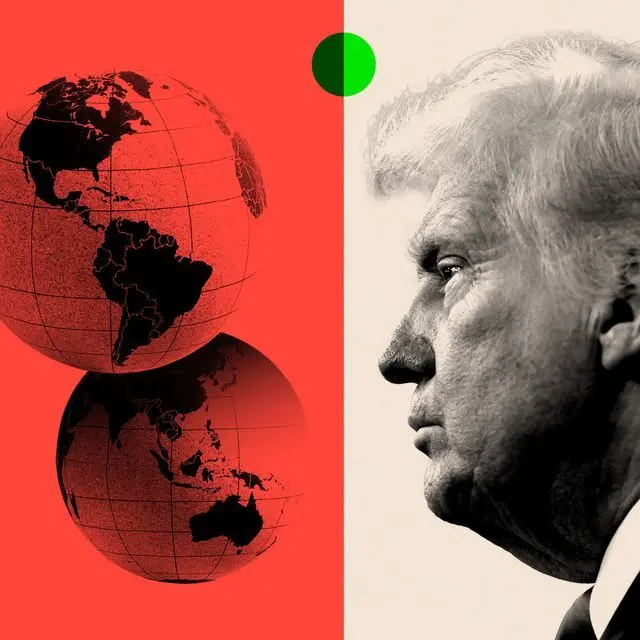
这些冷峻信号背后,藏着一个尖锐而重要的问题:在过去一个世纪里,“西方” 这一理念无论好坏,都从根本上塑造了世界秩序,定义了其合法性与目标 —— 如今的变局,是否意味着这一理念的终结?倘若答案是肯定的,未来又将走向何方?
附英文原文:
For those concerned with the future of the current fractured world order, several brutal messages from Davos 2026 are loud and clear. First, the so-called liberal rules-based international order, already torn apart by its chief protagonist, is truly dead and buried. Second, there is more disunity, largely self-inflicted, than unity among the trans-Atlantic allies, and more broadly within what was once called the Greater West as a bloc in spite of their shared values. Third, the West as a largely unified geopolitical and geoeconomic actor led by the United States is no longer in existence. Fourth, by the same token, it is increasingly anachronistic to see the world as divided into the West vis-a-vis the rest. Behind these brutal messages lies an important and trenchant question. Does this spell the end of the West as an idea that has, for better or worse, fundamentally shaped the world order in the last century and defined its legitimacy and purpose? If it does, what next?